Healthy vs. Unhealthy Conflict: What's the Difference?

Image courtesy of Etienne Boulanger @ Unsplash.com
Conflict doesn't have to mean yelling, shutting down, or damaging a relationship.
In fact, learning how to have a healthy conflict can make your relationships stronger. When you can talk honestly about what isn't working, you're more likely to feel heard, understood, and connected.
Of course, knowing that conflict can be healthy doesn't necessarily make it easy.
If you tend to avoid difficult conversations, feel anxious when someone is upset with you, or struggle to find your words, even a simple disagreement can feel overwhelming.
The good news is that healthy conflict is a skill. You can learn it, practice it, and get better at it over time.
Step 1: Is This Conversation Necessary?
Before starting a difficult conversation, take a moment to ask yourself whether the issue actually needs to be addressed.
Not every irritation needs a conversation. Sometimes you can let something go because it isn't important, it was an isolated incident, or you realize that your reaction has more to do with your own stress than what happened.
The question isn't, "Am I allowed to be upset?"
Instead, ask yourself, "Is there something here that I need to communicate?" If the answer is yes, it may be worth having a conversation.
Here are some steps to help you develop the skill of engaging in healthy conflict:
Step 2: Figure Out What Is Actually Bothering You
Unhealthy conflict isn't always obvious. Sometimes it involves yelling, threats, insults, or intimidation. Other times, it is much quieter and may be harder to recognize.
Healthy conflict starts before the conversation. Taking time to understand what you're feeling and what you need can help you communicate more clearly.
Before engaging, try to understand your own experience.
Sometimes what initially bothers us isn't the whole story. You may be irritated that your partner changed plans, for example, but underneath that irritation you may actually feel unimportant, disappointed, or left out.
Give yourself a little time to figure out what is really going on.
You don't need to have everything perfectly figured out before you talk. But having a general sense of what bothered you can make the conversation much clearer.
Step 3: Identify the Feeling Underneath the Reaction

Image courtesy of Annie Spratt @ Unsplash.com
Emotions can give you useful information.
Are you angry? Hurt? Disappointed? Anxious? Embarrassed? Frustrated? Afraid?
Sometimes anger is the easiest emotion to recognize, but it may not be the only one underneath it.
Other times, you may realize that you aren't angry at all. You may be confused about what you feel, or you may notice that you have become numb or disconnected.
No emotion is right or wrong. The goal is simply to become more aware of your experience before trying to communicate.
Step 4: Identify Your Boundary or Need
Once you have a better idea of what you're feeling, ask yourself what you need.
Maybe you need more communication. Maybe you need someone to speak to you differently. Maybe you need more time, more consideration, more space, or a change in how something is handled.
A boundary might sound like, "I don't want to be spoken to that way."
A need might sound like, "I need us to talk about plans before they change."
You don't have to make your need sound perfect. You just need to understand what you're trying to communicate.
A healthy conflict starts with knowing what you are trying to communicate. You don't have to know exactly what to say, but it helps to know what matters to you.
Step 5: Identify A Time To Talk
Timing matters.
Trying to have an important conversation when one of you is rushing out the door, exhausted, intoxicated, or already extremely upset probably won't make things easier.
Taking a break isn't the same as avoiding conflict. A healthy pause gives you time to calm down, as long as you come back to the conversation.
Whenever possible, choose a time when you both have enough space to talk. You might say, "There is something I'd like to talk about. Is now a good time, or would later work better?" That simple question can change the tone of the conversation.
Step 6: Start the Conversation Without Attacking
How you begin can make a big difference.
Starting with accusations tends to put people on the defensive. Instead of saying, "You never listen to me," you might say, "I felt like I wasn't being heard during our conversation earlier."
Focus on what happened and how it affected you, rather than assuming the other person's intentions.
The goal isn't to make the other person feel guilty. It is to help them understand what happened from your perspective.
Step 7: Say What You Need Clearly
Once you've explained what happened, say what you need. This is where many people get stuck.
You may spend ten minutes explaining why you're upset but never actually tell the other person what you would like to be different.
Try to be specific. Instead of saying, "I just need you to care more," you might say, "I'd like you to check with me before making plans for both of us."
Clear requests give the other person something they can actually respond to.
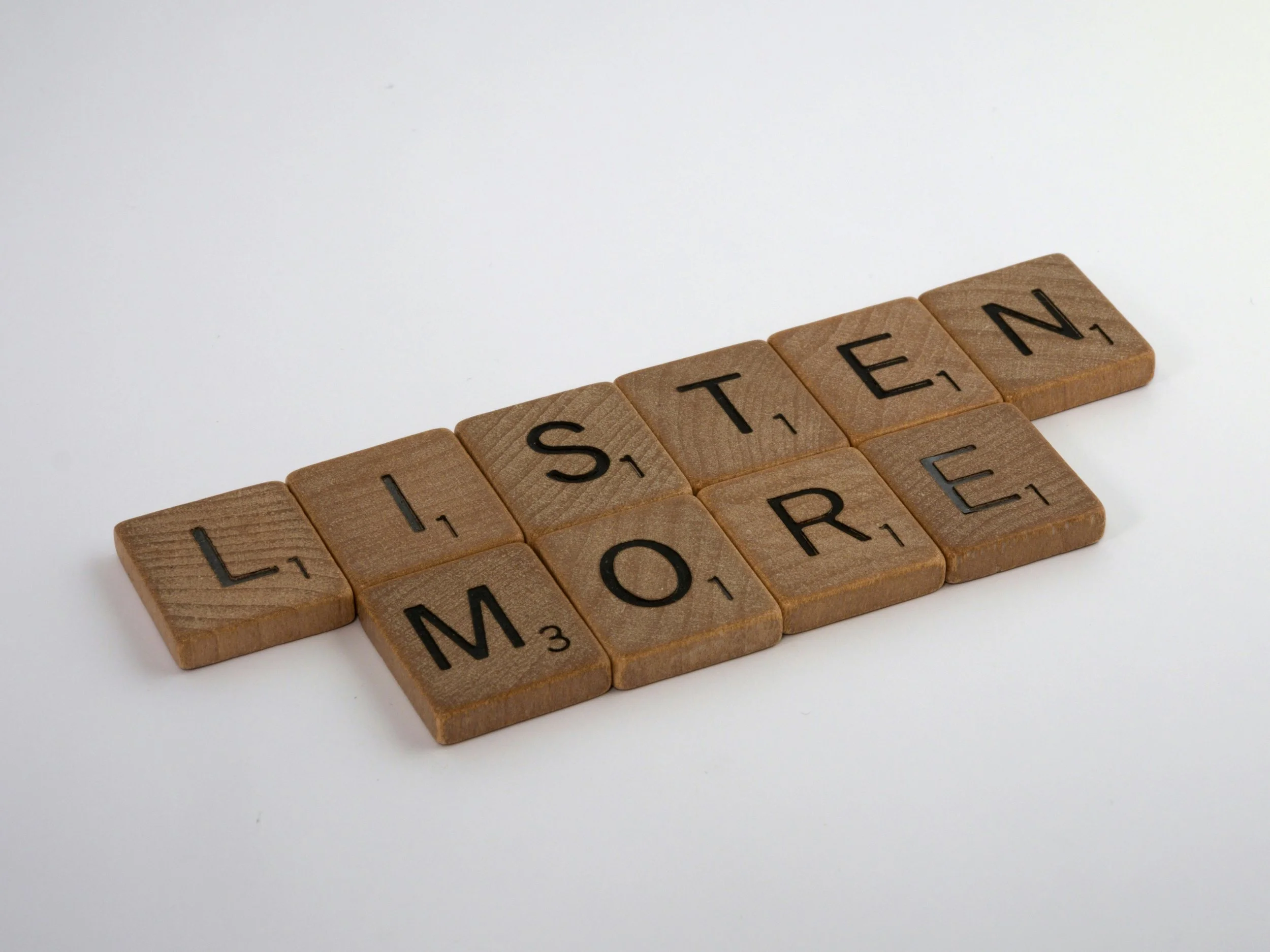
Image courtesy of Brett Jordan @ Unsplash.com
Step 8: Listen to the Other Person
Healthy conflict is a conversation, not a presentation.
Once you've expressed yourself, give the other person a chance to respond.
Listening doesn't mean agreeing. You can hear someone's perspective and still disagree.
Try to stay curious about what they are saying. Sometimes you may discover that you misunderstood something. Other times, you may understand their perspective and still feel that your boundary is important.
Step 9: Notice When You're Becoming Overwhelmed
Pay attention to what is happening in your body as the conversation continues.
Maybe your heart starts racing, or you become very quiet. Maybe you feel an urge to leave, apologize, or make everything okay as quickly as possible.
These can be signs that you're becoming overwhelmed.
When you notice those signals, you don't necessarily need to end the conversation. But you may need to slow things down or take a break.
You don't have to stay in a difficult conversation when you are getting overwhelmed. Noticing your limits is part of healthy communication.
Step 10: Take a Break If You Need One
Taking a break is different from avoiding the conversation.
If you need some time to calm down and collect your thoughts, say so clearly.
You might say, "I'm getting overwhelmed, and I don't want to say something I don't mean. Can we take a break and come back to this tonight?"
The important part is saying you are coming back.
A break creates space for regulation. Walking away indefinitely without explanation can create more uncertainty and disconnection.
Step 11: Come Back and Repair
You don't have to handle conflict perfectly. Healthy relationships make room for mistakes, accountability, repair, and trying again.
Healthy conflict doesn't require you to handle everything perfectly.
You may misunderstand each other and get defensive. You may say something you wish you had said differently.
Repair is what happens when you come back and take responsibility for your part.
You might say, "I was defensive earlier, and I want to try that conversation again."
Or, "I understand why that hurt you. I could have handled it differently."
Repair doesn't erase what happened. It creates an opportunity to acknowledge it and move forward.
What If You've Never Learned How to Do Conflict This Way?
If this process sounds unfamiliar, you aren't alone.
Some people grew up learning that conflict meant yelling, criticism, withdrawal, rejection, or walking on eggshells. Others learned to keep the peace by staying quiet, giving in, or focusing on everyone else's feelings.
If that's what you learned, it makes sense that healthy conflict may not feel natural.
These patterns can change. Start by getting curious about what happens inside you when conflict arises, rather than criticizing yourself for your response.
EMDR Therapy in Seattle: When Therapy May Help With Conflict

Image courtesy of Vitaly Gariev @ Unsplash.com
EMDR therapy can be one approach for people who find that conflict continues to trigger strong emotional or physical responses.
You may understand that a disagreement is not dangerous, but notice that your body reacts as though something much bigger is happening.
Therapy can provide a space to slow down and understand what happens when disagreement arises. With a qualified EMDR therapist, you can explore the experiences, beliefs, and patterns that may be influencing how you respond to conflict today.
EMDR therapy in Seattle can help you process earlier experiences that continue to make healthy conflict difficult, while creating more room to recognize what you are feeling and respond with greater choice.
The goal isn't to eliminate uncomfortable emotions or make conflict easy all the time. It helps you understand why certain situations feel so difficult and build greater safety and flexibility when navigating disagreement, boundaries, and relationships.
Read the full post: A Trauma Therapist In Seattle Explains an EMDR Therapy Session
Wrapping It Up
Healthy conflict is not about being more forceful or winning an argument.
It is about learning that you can express what you feel, communicate what you need, listen to someone else's perspective, and remain connected to yourself while doing it.
That is a skill worth practicing.
If conflict continues to feel overwhelming or difficult to navigate, therapy can provide a space to explore the patterns underneath it and develop greater flexibility in how you respond.

Diane specializes in working with adults who feel overwhelmed by anxiety, self-doubt, and the weight of daily life. Her therapy focuses on helping clients find a sense of genuine calm, build confidence, and reconnect with themselves in a meaningful way.
Her work includes support for anxiety, trauma, and EMDR therapy. You can learn more about her approach on her About page.